
Boundary Surveys in Maryland: What to Expect from Property Boundary Checks
When managing land or planning development projects, understanding exactly where your property lines lie is crucial. Property boundary checks provide clarity, prevent disputes, and ensure compliance with local regulations. In Maryland, these surveys are especially important due to the state’s unique land use patterns and regulatory environment. Let’s explore what you can expect from boundary surveys in Maryland and how they support effective land management.
The Importance of Property Boundary Checks in Maryland
Property boundary checks are more than just a formality. They serve as the foundation for responsible land stewardship and development. For government agencies, developers, and property managers, knowing the precise limits of a parcel of land helps avoid costly legal battles and project delays.
Here are some key reasons why property boundary checks matter:
Preventing Encroachments: Identifying exact boundaries helps prevent neighbors or contractors from unintentionally building on your land.
Ensuring Compliance: Many local ordinances and state laws require accurate boundary information before issuing permits or approvals.
Supporting Land Transactions: Clear boundaries are essential for buying, selling, or subdividing property.
Protecting Natural Resources: Accurate surveys help in planning stormwater management and watershed restoration projects by defining the land area involved.
By investing in a thorough boundary survey, you gain confidence in your land’s limits and can plan projects with certainty.
What is a Boundary Survey in Maryland?
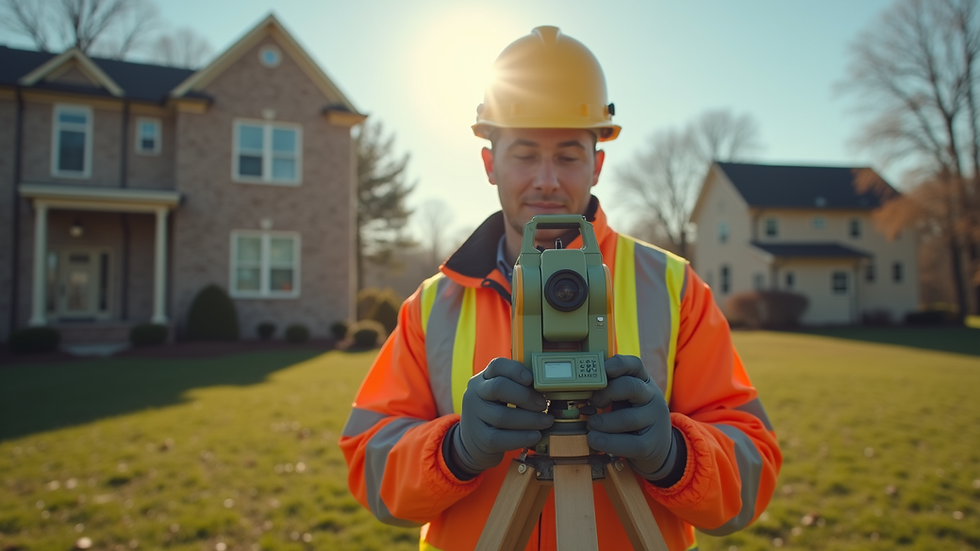
A boundary survey in Maryland is a professional assessment that determines the exact legal boundaries of a property. Licensed surveyors use a combination of historical records, physical markers, and modern technology to map out the property lines.
The process typically involves:
Researching Deeds and Records: Surveyors start by reviewing property deeds, plats, and previous surveys to understand the legal descriptions.
Locating Physical Markers: They search for existing boundary markers such as iron pins, concrete monuments, or natural landmarks.
Field Measurements: Using GPS, total stations, and other tools, surveyors measure distances and angles to establish precise boundary lines.
Mapping and Documentation: The results are compiled into a detailed survey map and report, which can be used for legal and planning purposes.
In Maryland, boundary surveys must comply with state regulations and standards set by the Maryland Society of Surveyors. This ensures accuracy and reliability.
How Boundary Surveys Support Stormwater and Watershed Projects
For projects focused on stormwater management and watershed restoration, boundary surveys are indispensable. Knowing the exact property limits allows for:
Accurate Site Planning: Engineers and planners can design stormwater systems that fit within the property and meet regulatory setbacks.
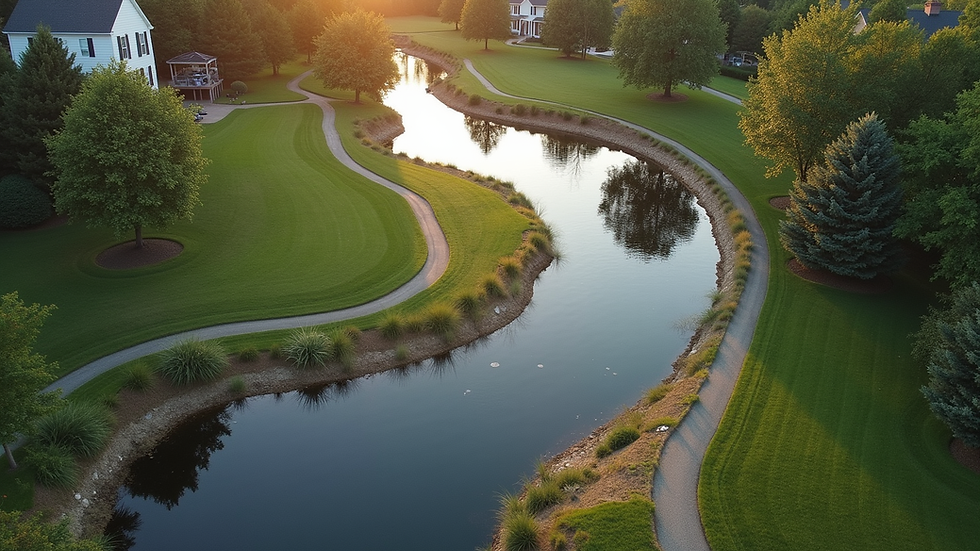
Identifying Drainage Patterns: Surveys help map natural water flow and identify areas prone to flooding or erosion.
Coordinating with Adjacent Properties: Understanding boundaries facilitates collaboration with neighboring landowners for watershed-wide solutions.
Ensuring Regulatory Compliance: Many stormwater permits require detailed site surveys to verify project boundaries and impacts.
By integrating boundary survey data, we can develop practical, effective solutions that protect water quality and restore natural habitats.
What to Expect During a Boundary Survey in Maryland
When you commission a boundary survey, the process is straightforward but thorough. Here’s what you can expect:
Initial Consultation: The surveyor will discuss your goals, review property documents, and explain the survey process.
Site Visit: The surveyor visits the property to locate markers, take measurements, and assess the terrain.
Data Analysis: Back at the office, the surveyor analyzes field data alongside legal documents to confirm boundaries.
Survey Report: You receive a detailed map showing property lines, easements, and any encroachments, along with a written report.
Follow-Up: If discrepancies or issues arise, the surveyor can advise on next steps, such as boundary agreements or legal action.
The entire process typically takes a few days to a few weeks, depending on property size and complexity.
Tips for Working with Surveyors on Boundary Surveys
To get the most from your boundary survey, consider these practical tips:
Provide Complete Documentation: Share all relevant deeds, plats, and previous surveys with your surveyor upfront.
Communicate Clearly: Explain your project goals and any concerns about boundaries or encroachments.
Be Present During the Survey: If possible, accompany the surveyor on-site to discuss observations and ask questions.
Review the Survey Carefully: Check the final report for accuracy and ask for clarifications if needed.
Plan for Follow-Up Actions: Use the survey results to address any boundary issues before starting construction or land development.
By collaborating closely with your surveyor, you ensure a smooth process and reliable results.
Moving Forward with Confidence in Maryland Property Management
Accurate property boundary checks are essential for responsible land management and successful project execution. Whether you are planning a new development, managing existing land, or working on stormwater and watershed restoration, a professional boundary survey provides the clarity and legal certainty you need.
For those seeking expert guidance, boundary surveys maryland offer a trusted resource. With precise data and thorough analysis, you can protect your investment, comply with regulations, and contribute to sustainable land use in the Mid-Atlantic region.
Taking the time to understand and verify your property boundaries is a smart step toward effective land stewardship and project success. Let’s work together to safeguard Maryland’s landscapes and watersheds through informed, practical solutions.


